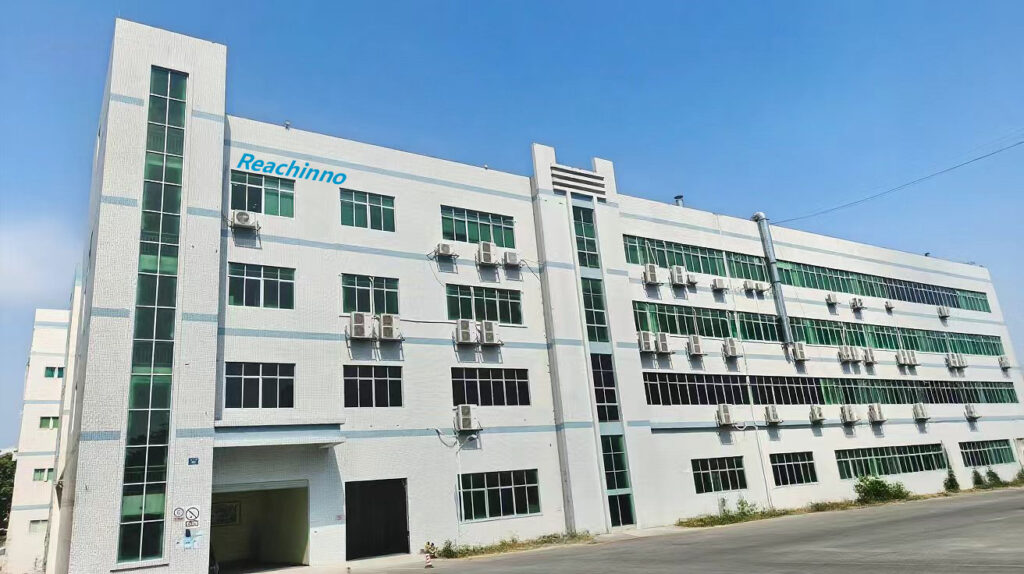
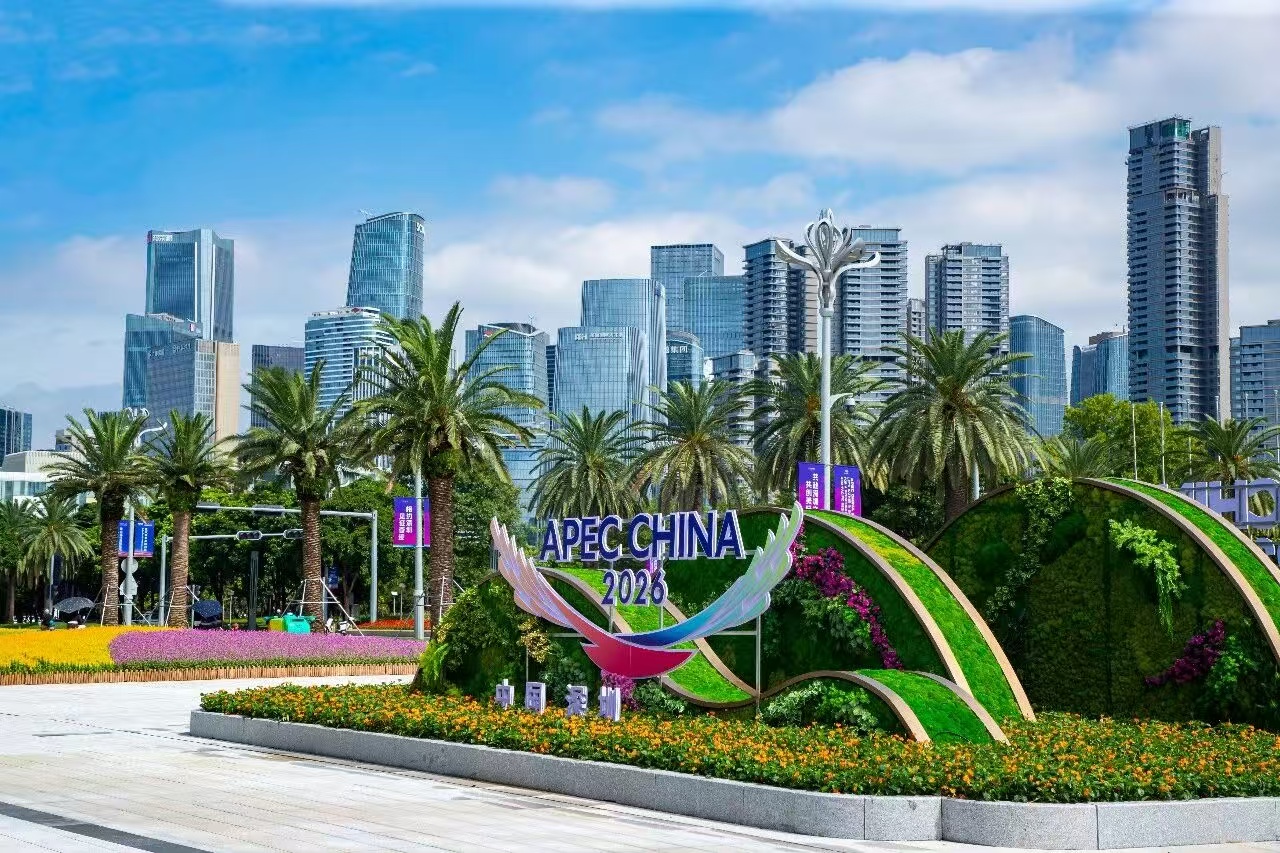
A local view from Qianhai during APEC Economic Leaders’ Week.
From our office in Qianhai, APEC Shenzhen 2026 feels unusually close. The meeting venues are not somewhere abstract on a television screen; they are part of the same city we work in, walk through and return to every evening. This week, Shenzhen is hosting the APEC CEO Summit on November 17–18 and the 33rd APEC Economic Leaders’ Meeting on November 18–19.
Chinese President Xi Jinping is chairing the leaders’ meeting and is scheduled to attend its opening ceremony. The CEO Summit brings together senior business and government representatives from across the Asia-Pacific. Publicly announced participants and representatives include leaders from China, the United States, Russia, Canada, Mexico, Papua New Guinea, Japan, the Philippines and other APEC economies. The CEO Summit programme also includes representatives from Australia, Chile, Indonesia, Korea, Malaysia, Thailand, Vietnam and Hong Kong, China.
Who Is Coming to Shenzhen?
APEC is made up of 21 member economies rather than a conventional list of countries. That distinction matters: the forum brings together governments, business leaders and economic representatives with different systems and perspectives, but a shared interest in trade, investment, innovation and regional connectivity.
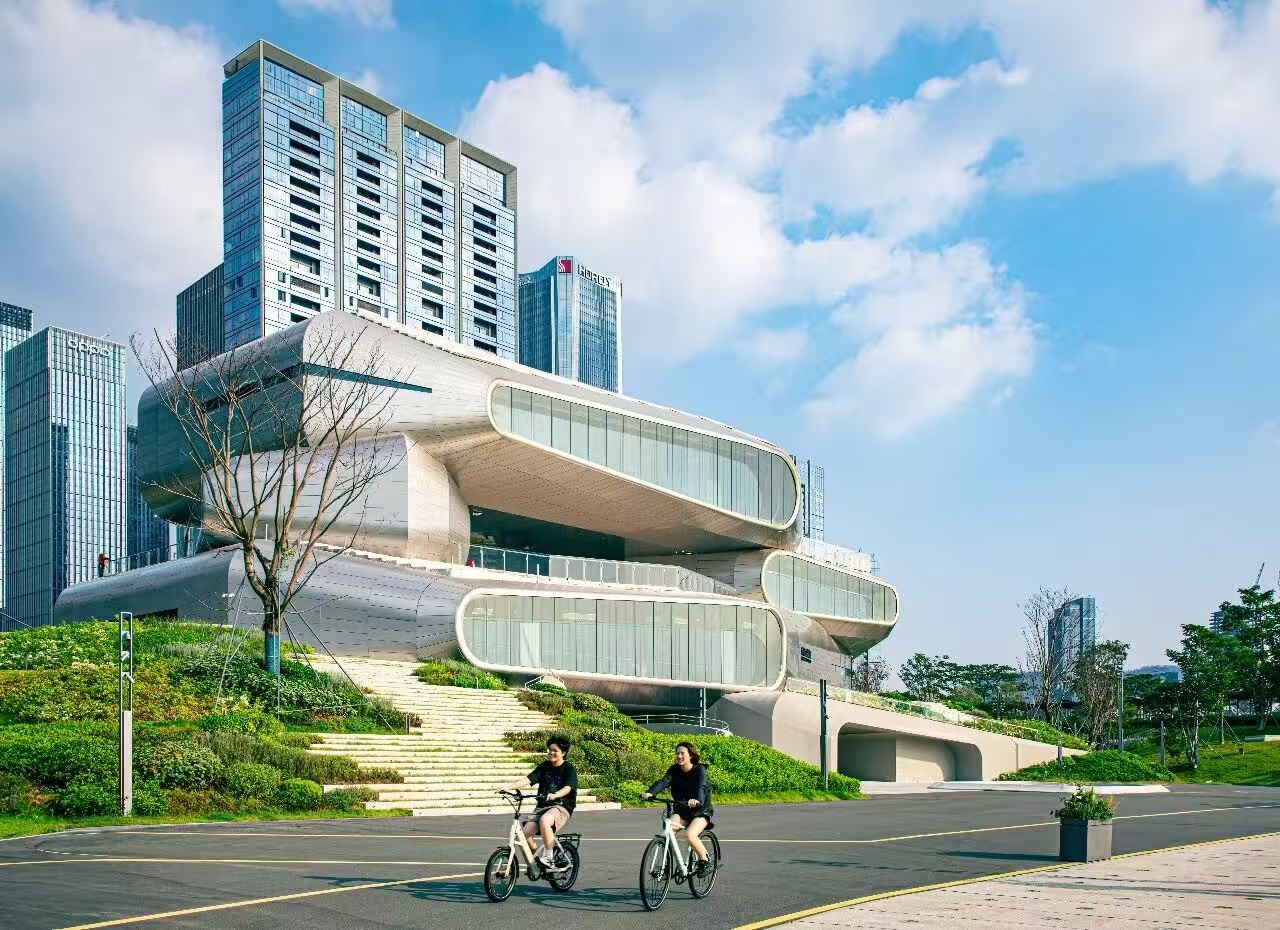
For Shenzhen, the event is both diplomatic and commercial. The CEO Summit is being held at the Qianhai International Convention Center, while activities across Futian and other parts of the city bring together leaders, executives, media and supporting teams. More than 2,000 people are expected to participate in the business summit.
A City Adjusting Without Losing Its Rhythm
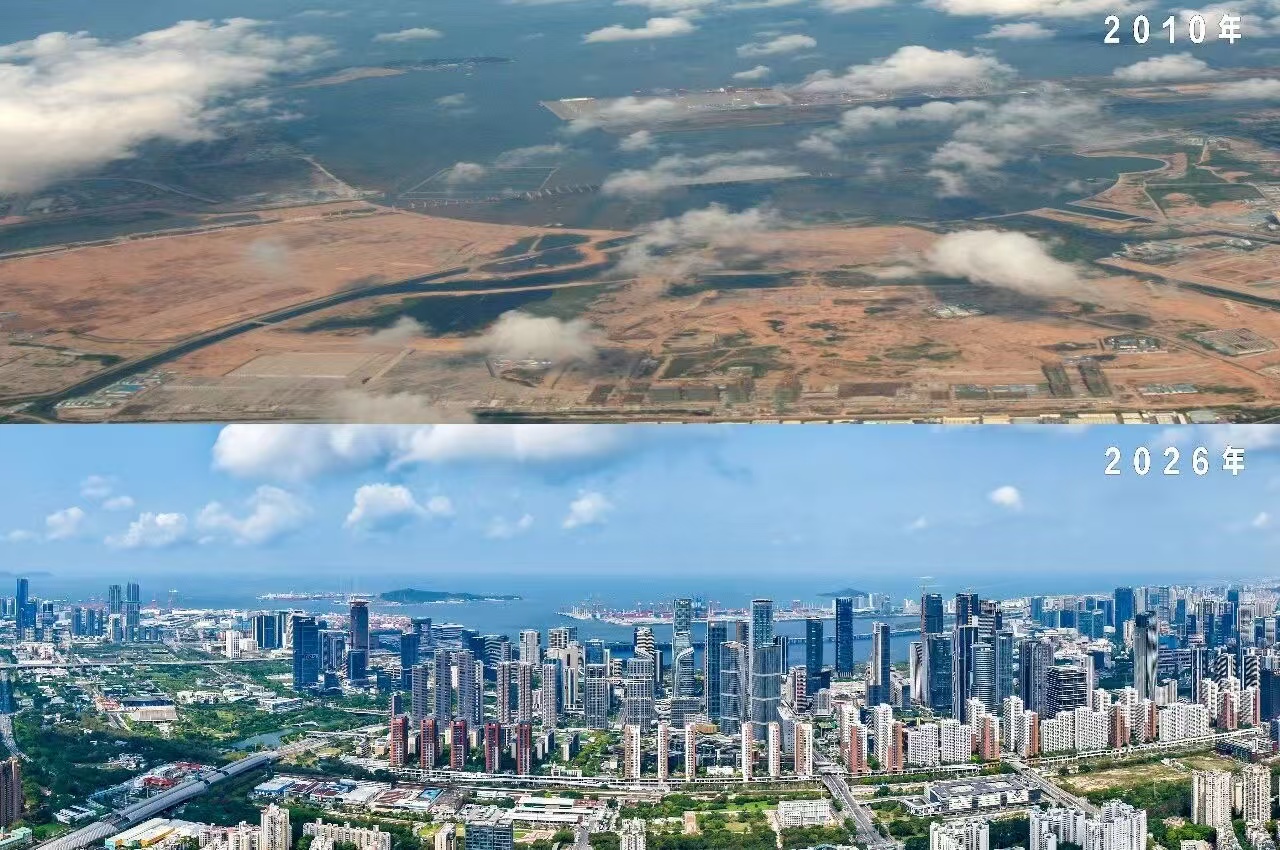
The most noticeable change is not simply the event signage. It is the way the city has adjusted its rhythm around a major international meeting.
Shenzhen encouraged flexible work arrangements, including working from home where practical, and asked residents to reduce private-car use, choose public transport and travel outside peak periods. Metro and bus capacity was increased, while temporary traffic measures were introduced around key areas. The aim was not to stop the city, but to keep meetings, deliveries, commuting and ordinary life moving at the same time.
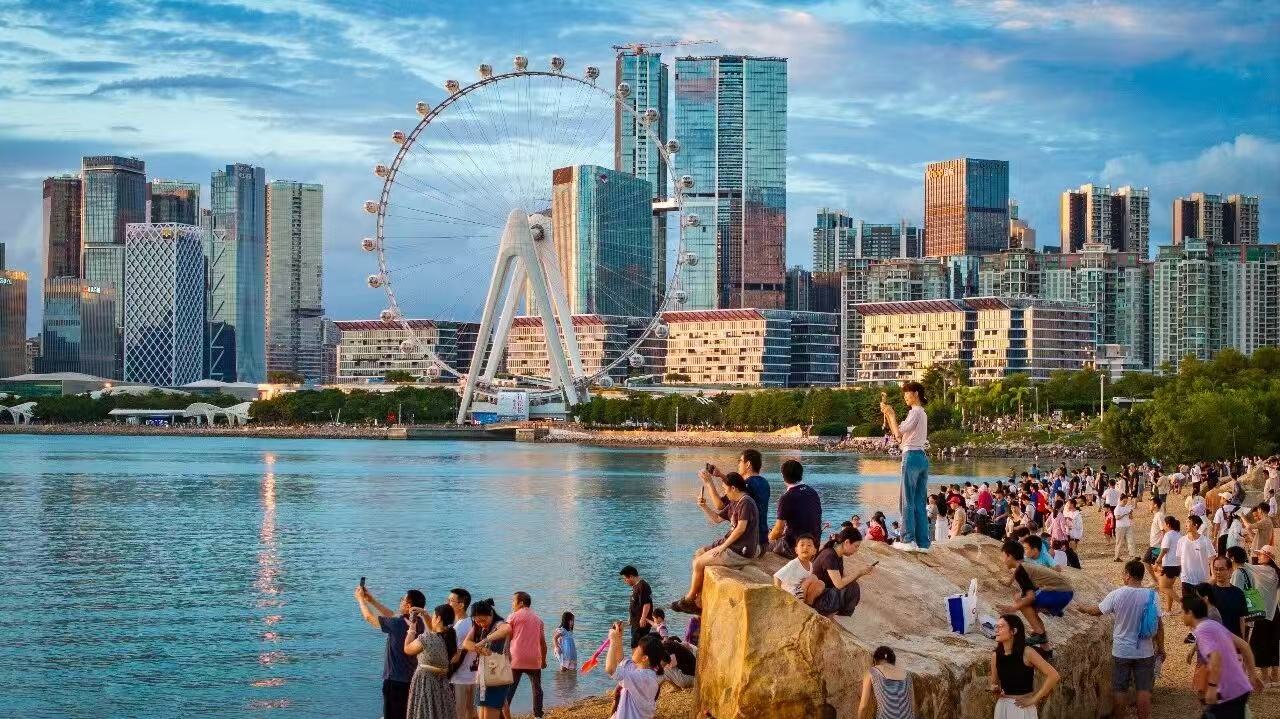
For our team, that has meant a more flexible working week and more time outdoors. Instead of treating the city as a place to rush through, we have been able to experience Qianhai at a slower pace: walking along green paths, using public transport, riding by the waterfront and making room for the city’s visitors.
Green Travel, Flexible Work and Everyday Comfort
There is a practical lesson in this kind of city management. Large events are often discussed through security, schedules and venues. Residents experience them through smaller details: whether the commute is manageable, whether public transport is reliable, whether a delivery can still arrive, and whether people can keep their normal routines.
Shenzhen also connected the APEC week with wider cultural and travel benefits. From November 16 to 22, several major scenic areas, including Jiuzhaigou, offered free first-entry tickets to Shenzhen residents under a regional tourism programme. A global meeting created a reason for the city to open up, while residents were given more ways to enjoy time away from work.
What This Says About Portable Power
At Reachinno, we develop portable power products, so we naturally notice how people work and move. Flexible work, cycling, outdoor time, business travel and temporary changes in city routines all depend on small pieces of infrastructure that are easy to overlook.
A portable power product is not only a battery with a USB port. Depending on the user and the scenario, it can support a mobile workstation, a long day of meetings, a camera or communication device, a family trip, or an unexpected change in plans. The product has to be safe, practical, easy to carry and reliable across real environments.
That is also why our product thinking begins with the use case. We look at the product definition, the market, the engineering constraints and the evidence required for a finished product to work in the real world. Our RK-14 framework describes this as a path from product definition and market route to engineering validation, evidence and lifecycle control.
A Local View from Qianhai
From a distance, APEC Shenzhen 2026 is a meeting of presidents, prime ministers, business leaders and economies. From Qianhai, it is also a reminder that global events are built on everyday systems: transport, communication, flexible work, public spaces and the ability of a city to adapt without losing its sense of life.
That is the part we have enjoyed most this week. The city is hosting the world, but there is still time to walk under the trees, ride by the water, watch the skyline light up and let someone else have the road for a while.
Related: Reachinno portable power product development · Global power bank compliance and market access
Event details and city measures were checked against official APEC and Shenzhen government information available during APEC Economic Leaders’ Week.