An OEM Engineer’s Practical Guide to EVE, LG, CATL & Cost-Effective Suppliers
Why This Article Exists (From Real Factory Experience)
Power bank discussions often focus on capacity, fast charging, or design—but in the factory, where I’ve spent over a decade producing packs with 18650, 21700, and polymer cells, the cell brand decides success or recalls.
I’ve handled projects for global retail (strict UL/CB/PSE/KC) and budget online brands. Cell choice affects PD 100W heat, real-world cycle life, certification rates, and swelling.
This 2025-updated guide covers common power bank brands, premium vs. budget differences, format-specific suppliers, and OEM selection based on power, cost, risk, and trends.
How Power Bank Cell Brands Are Usually Classified
Factories tier by consistency, safety, and consumer risk—not EV fame.
| Tier | Typical Use | Key Focus | Example Brands (2025) |
|---|---|---|---|
| Tier 1 (Premium) | Global retail, high-end exports | Top safety, 600–1000+ cycles, honest ratings, easy certification | LG Energy Solution, Panasonic/Sanyo, Samsung SDI, ATL, Sony/Murata |
| Tier 2 (Mainstream) | Balanced OEM/ODM, mid-range | Cost-performance, reliable supply, PD 45W+ capable | EVE Energy, Lishen, BAK, CATL (consumer lines), Great Power |
| Tier 3 (Cost-Driven) | Budget/online, low-power | Lowest price, ≤20W safe | Smaller suppliers (e.g., Penghui, Changhong); strict QC required |
Tier 1 reduces failures; Tier 3 needs extra testing.
18650 Battery Cell Brands (Still Key for Mid-Range Power Banks)
18650 suits 10,000–30,000mAh, PD 18W–45W, cost-sensitive designs with mature chains—though declining vs. 21700.
Tier 1 / Premium 18650 Brands Strict certification, consistent:
- ATL: High stability; premium consumer (e.g., Apple ecosystem); slim packs.
- LG Energy Solution: Balanced capacity/discharge; excellent thermal.
- Panasonic/Sanyo (NCR): 500+ cycles to 80%; conservative ratings.
- Samsung SDI: High-drain (e.g., 30Q).
Choose for reputation, low returns.
Tier 2 / Mainstream 18650 Brands (2025 OEM Favorites)
- EVE Energy: Balanced capacity/price/quality; export leader.
- Lishen: Strong certifications, stable supply.
- BAK: Improving mid-power consistency.
EVE and Lishen are safe mid-range defaults.
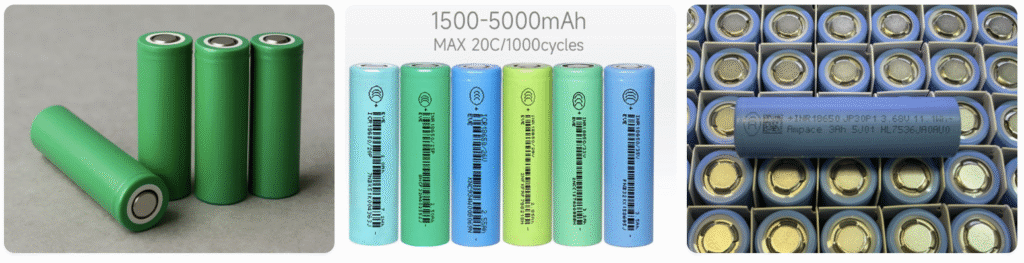
Common 18650 cells from top brands:
21700 Battery Cell Brands (Rising for High-Power & Fast Charging)
With PD 65W–100W+ mainstream in 2025, 21700’s higher capacity (4000–5000mAh), lower resistance, and better heat dissipation make it ideal—fewer cells needed, safer margins.
Common 21700 Brands in Power Banks
- LG Energy Solution: Premium high-drain; excels in laptop chargers.
- EVE Energy: Leading supplier—high capacity, cost-effective; dominant in modern high-power designs.
- BAK: Strong cylindrical expertise; good for balanced high-output.
- Samsung SDI: Reliable models (e.g., 50E); consistent performance.
- Lishen & Emerging (e.g., Great Power lines): Cost-competitive for volume OEMs.
In my projects, 21700 is now standard for ≥45W—thermal safety is noticeably better than overloaded 18650 packs.
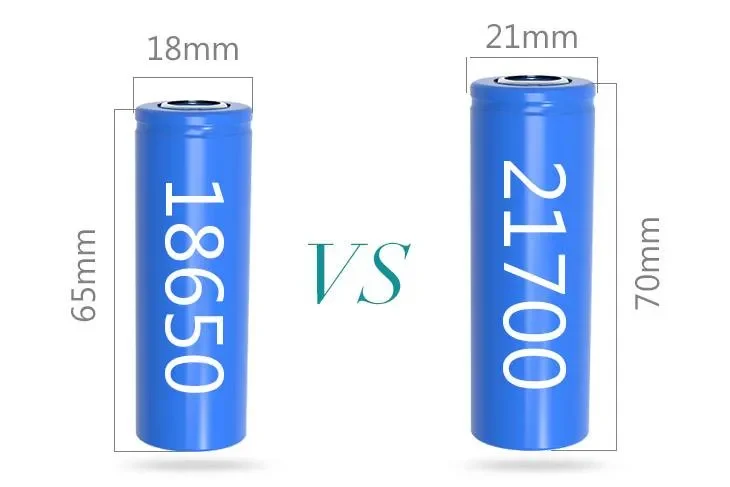
Side-by-side 18650 vs 21700:
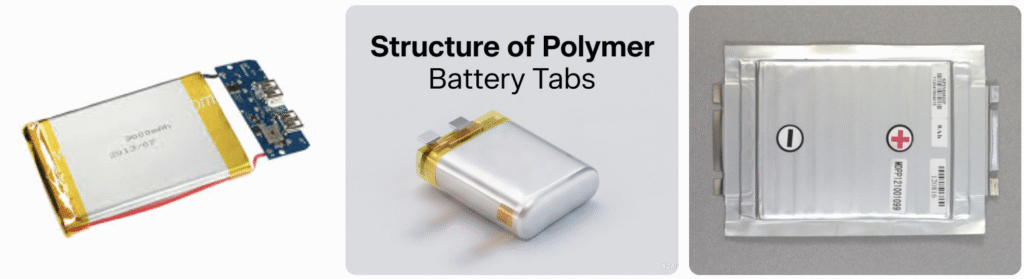
Polymer (Pouch) Cell Brands for Power Banks
Pouch cells enable ultra-slim, magnetic, or wireless designs but are more heat-sensitive—best for <45W.
Common Polymer Brands
- ATL: Premium consistency; top for thin/high-end magnetic banks.
- CATL (consumer lines): Strong R&D; stable for custom/high-volume.
- EVE Energy: Versatile pouch options; balanced performance.
- Penghui (Zhuihui) & High Power: Widely used in mainstream slim packs.
- BAK & Lishen: Reliable for cost-effective pouch designs.
Real-world note: Many magnetic power bank issues stem from pouch cells over-stressed in fast charging—not inherent flaws, but protocol mismatches.
Example pouch cells for slim power banks:
Why Cell Brand Choice Matters More Than mAh Ratings
Identical-spec power banks perform differently based on cells:
- Heat & Stability: Premium brands run cooler under PD stress.
- Cycle Life: Tier 1 often 600–1000 cycles; budget ~300–500.
- Safety & Certification: Higher pass rates reduce delays/costs.
- Aging/Swelling: Better materials minimize risks over time.
Saving $0.50–$2 per cell can lead to months of rework if failures occur.
How OEMs Actually Choose Battery Cell Brands in 2025
Decision flowchart from real ODM experience:
- Certification & Market: US/EU/JP → Tier 1 (LG/Panasonic/ATL).
- Power Output: ≥45W → 21700 (EVE/LG priority).
- Thickness/Design: Ultra-slim/magnetic → Polymer (ATL/CATL).
- Cost Target: Balanced → EVE/Lishen; Aggressive → Tier 3 with limits.
- Risk Tolerance: Retail brands conservative; Online sellers flexible.
No universal “best”—it’s product-specific.
Final Thoughts from the Factory Floor
Battery cells set a power bank’s performance ceiling—far more than chips or casings. With fast charging evolving rapidly, fundamentals like internal resistance and thermal margins remain key.
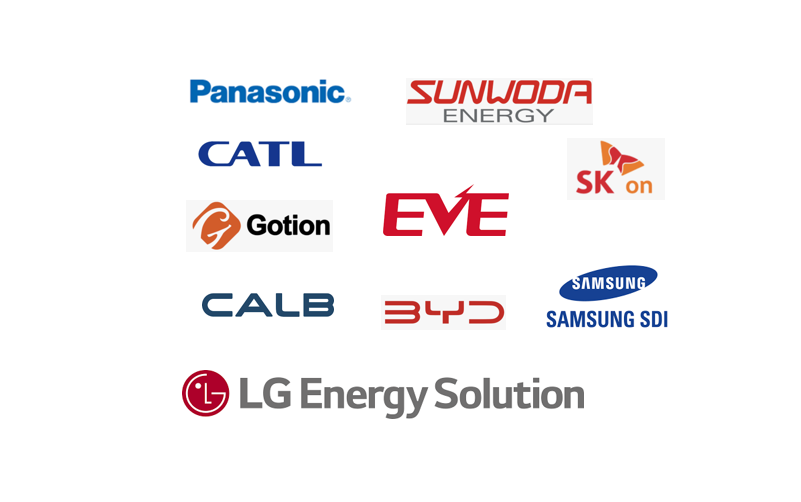
Understanding brands, formats, and trade-offs puts you ahead in sourcing. For 2025 projects, EVE and Lishen dominate mainstream; premium sticks with LG/Panasonic/ATL.
About the Author OEM/ODM Power Bank Engineer at Reachinno. Hands-on with all formats, protocols, certifications, and real issues (swelling, thermal shutdowns, recalls). This reflects tested and shipped insights—not just specs.
If you’d like visuals (e.g., custom tier chart in Reachinno blue-white), LinkedIn series, or more data—let me know!