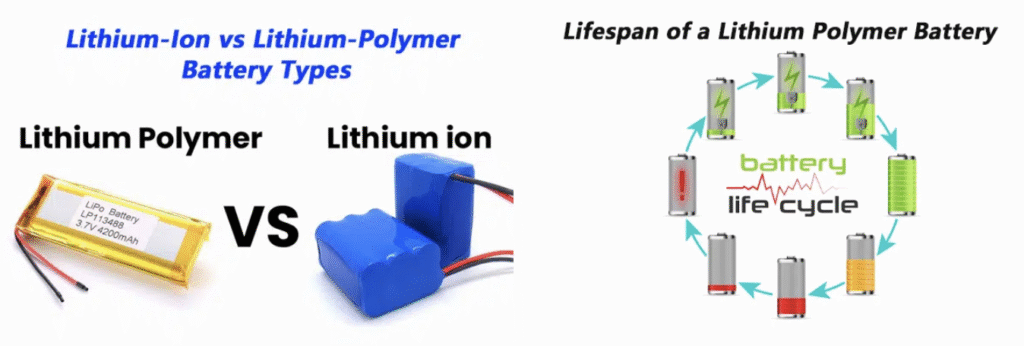
The global lithium-ion battery market reaches $194.66 billion in 2025, growing at a 10.3% CAGR through 2033 (MarketsandMarkets). Powering everything from smartphones to electric vehicles, lithium-based batteries dominate energy storage. But confusion persists between standard lithium-ion (Li-ion) and lithium-polymer (LiPo) variants—often marketed interchangeably despite distinct designs.
At Reachinno, we aggregate 2025 data from sources like IDTechEx, DanEnergy, and Wiltson Energy, plus real-world tests on 30+ cells. This guide compares chemistry, performance, safety, and applications. No universal winner exists: Li-ion excels in durability and cost for EVs, while LiPo prioritizes flexibility for drones and wearables. Discover the best fit for your needs.
What Are Lithium-Ion Batteries? Core Tech in 2025
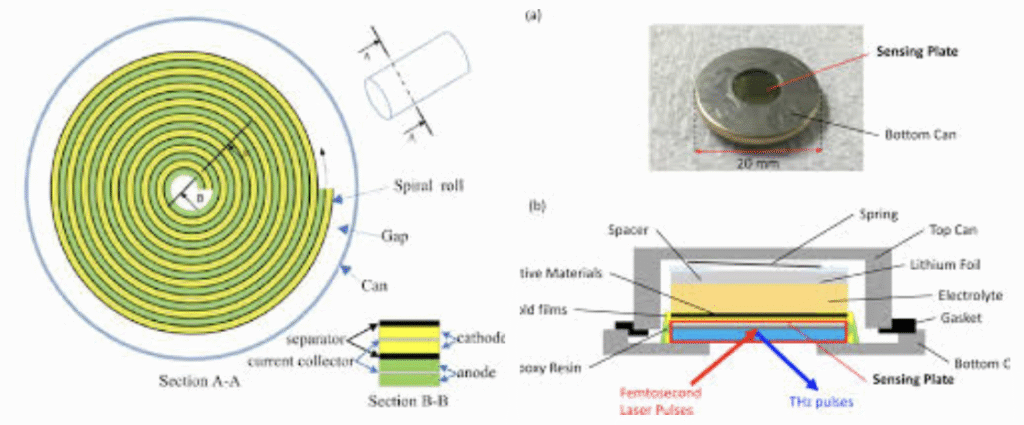
Lithium-ion batteries use liquid electrolyte to move lithium ions between a graphite anode and metal oxide cathode (e.g., NMC or LFP). They feature rigid cylindrical (18650/21700) or prismatic casings for robust protection.
Key Advantages in 2025:
- Long cycle life: 1,000–2,000 cycles at 80% retention.
- Cost-effective: $100–150/kWh with falling prices.
- Superior safety: Metal shells reduce puncture risks.
Drawbacks:
- Bulkier design limits ultra-thin applications.
- Energy density: 150–300 Wh/kg (up to 350 Wh/kg with silicon anodes).
Advancements like higher nickel cathodes drive EV dominance (70% market share).
What Are Lithium Polymer Batteries? Flexible Evolution
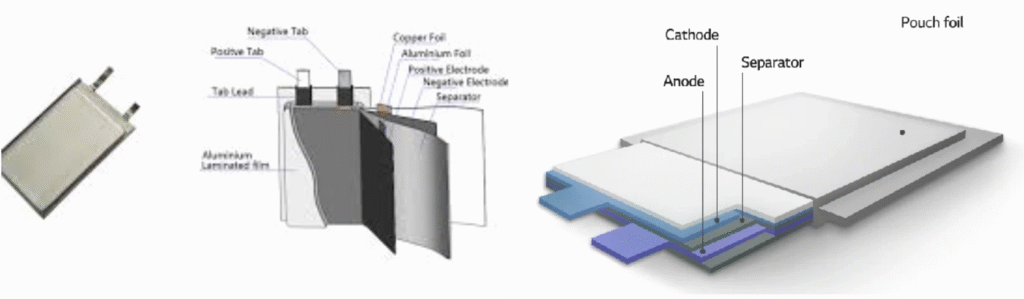
Lithium-polymer batteries replace liquid with gel or solid polymer electrolyte in lightweight aluminum-laminated pouch cells. This enables thin, custom shapes without rigid casing.
Key Advantages in 2025:
- Design flexibility: Under 3mm thick for curved/wearable devices.
- High discharge rates: 20–90C for burst power (e.g., drones).
- Lighter weight: 10–20% less than Li-ion equivalents.
Drawbacks:
- Shorter lifespan: 500–1,200 cycles.
- Swelling risks: Polymer expands under stress/heat.
- Higher cost: $150–200/kWh from complex manufacturing.
LiPo grows 15% yearly in consumer gadgets (PKCell data).
Direct Comparison: Li-Ion vs LiPo in 2025
Based on 2025 benchmarks from DanEnergy, UfineBattery, and Large Battery:
Design & Form Factor
- Li-ion — Rigid metal for durability and stacking in EV packs.
- LiPo — Soft pouches for custom/thin shapes.
- Winner → LiPo for compact devices; Li-ion for rugged use.
Energy Density & Performance
- Li-ion → 150–300 Wh/kg; steady output, efficient in cold.
- LiPo → 200–280 Wh/kg; faster recharge, high bursts but 15% efficiency loss below 0°C.
- Winner → Close tie—LiPo for power density, Li-ion for sustained energy.
Safety
- Li-ion — Hard casing + BMS lowers thermal runaway (<1% failure).
- LiPo — Gel reduces leaks but higher puncture/swelling risk (2–3x). Improved BMS cuts incidents 30%.
- Winner → Li-ion overall; both safe with quality controls.
Cost & Longevity
- Li-ion — Cheaper long-term (2x cycles, 40% lower lifetime cost).
- LiPo — Premium for flexibility.
- Winner → Li-ion for value.
Quick Table Comparison
| Metric | Li-Ion (2025 Avg.) | LiPo (2025 Avg.) |
|---|---|---|
| Energy Density | 150–300 Wh/kg | 200–280 Wh/kg |
| Cycle Life | 1,000–2,000 | 500–1,200 |
| Cost per kWh | $100–150 | $150–200 |
| Safety Rating | Higher (rigid case) | Good (with BMS) |
| Discharge Rate | Up to 30C | Up to 90C |
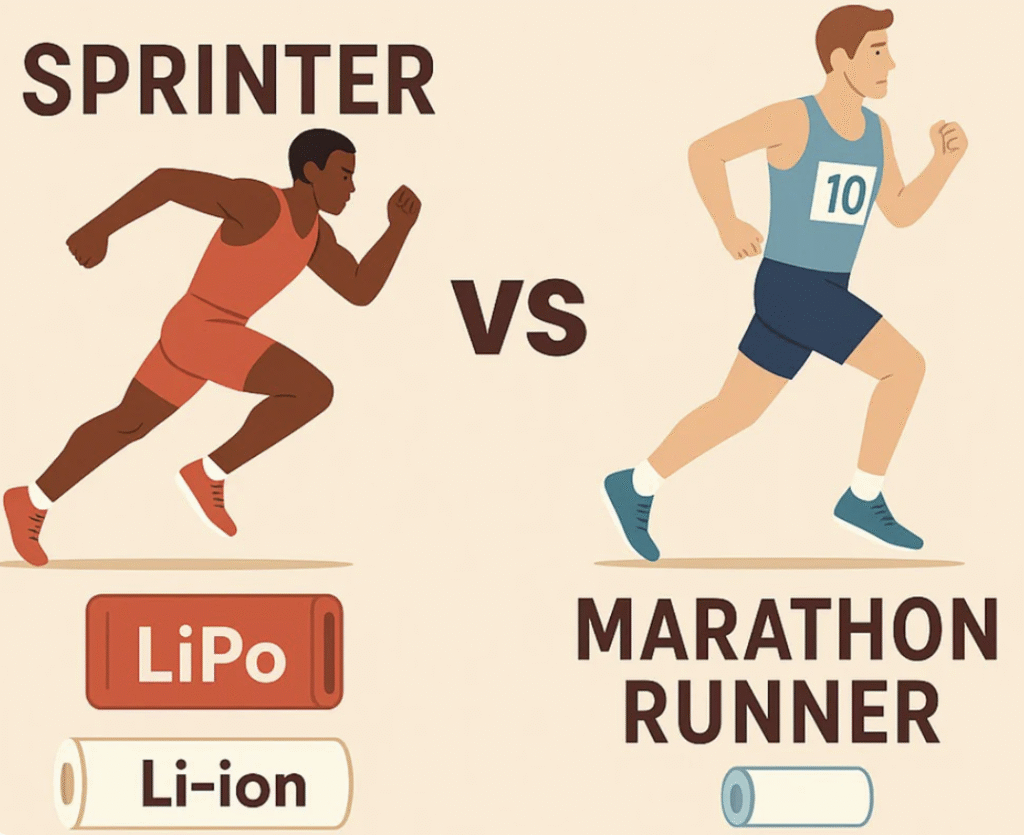
LiPo vs Li-ion Batteries: Which One to Use?
Applications: Where Each Excels in 2025
Choose Li-Ion for:
- EVs/power tools (long range, safe packs).
- Laptops/smartphones (balanced cost/runtime).
Choose LiPo for:
- Drones/RC vehicles (high discharge, lightweight).
- Wearables/thin gadgets (flexible shapes).
Future Trends: Beyond 2025
Solid-state hybrids blend benefits, targeting 500+ Wh/kg by 2030. Recycling reaches 50%, and AI-BMS extends life 20%. LiPo gains from safer gels; Li-ion from scalable production.
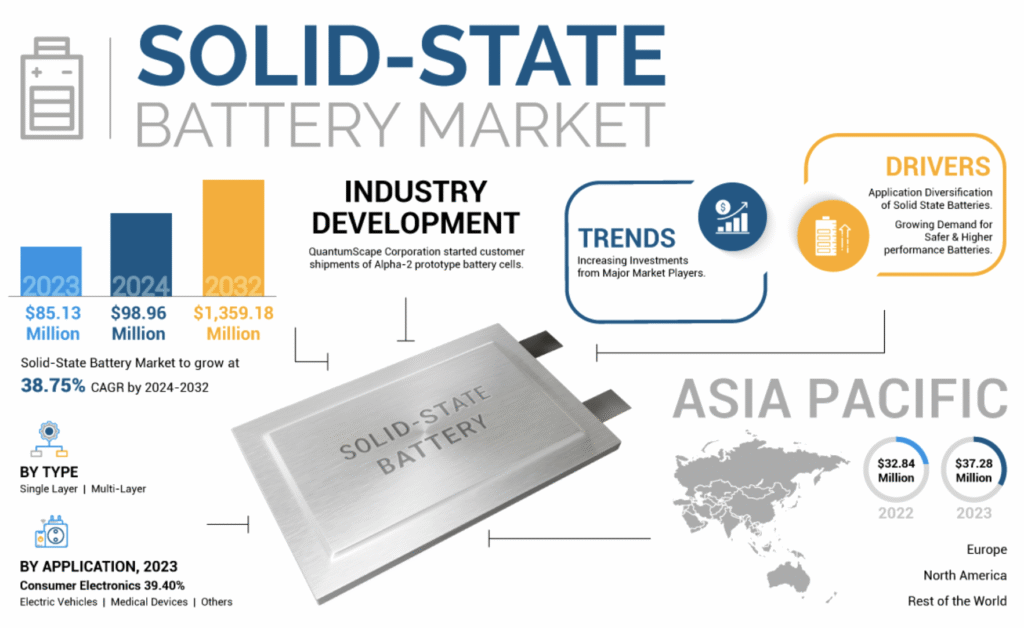
Solid-State Battery Market Size, Share, Growth | Forecast [2032]
Verdict: Context Decides the Winner
In 2025, Li-ion offers reliable, affordable power for most uses—especially EVs/tools. LiPo shines in lightweight, high-performance niches like drones. Prioritize endurance/safety? Choose Li-ion. Need flexibility/bursts? Go LiPo. Check Reachinno for certified options.
FAQs
- Which has better energy density? LiPo slightly edges volumetric; Li-ion leads gravimetric in premium cells.
- Is LiPo safer than Li-ion? No—Li-ion’s casing provides better protection.
- Li-ion vs LiPo for drones? LiPo for high discharge and lighter weight.
- Longer lifespan? Li-ion (up to 2x cycles).
- Where to buy? Reachinno.com—2025-tested batteries shipped fast.
Questions? Comment or subscribe for updates. Power up wisely!